My fingers kept fiddling with the leather straps of my sandals as I sat by my father’s tent. The air was dry, and the sun beat down, but my body trembled with something colder than wind. I was thirteen, nearly a man by our tribe’s count, and today—today, my faith would be tested in a way I could barely understand.
You likely wouldn't know my name. I am Mishael, son of Joktan, one of the shepherds of Abraham’s camp. We lived in tents scattered across the plains near Hebron. Abraham—yes, that Abraham, the one who spoke with God Himself—was our leader, and more than that, he was our guide in faith.
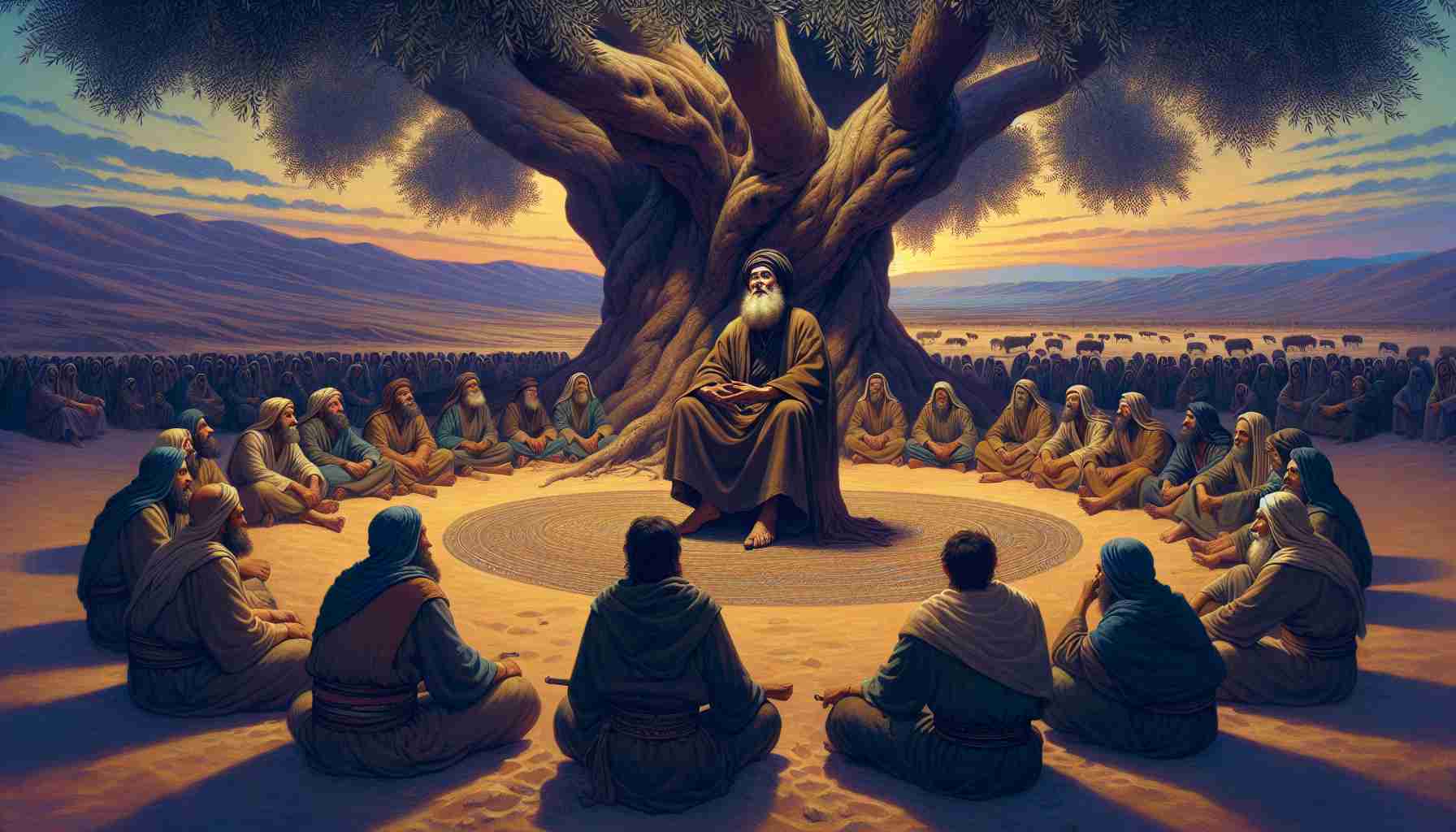
When Abraham came back from speaking with God that day, his face was changed. Not angry, not frightened—just firm. He sent messengers to every tent, summoning all the men and boys. My father and I walked together, unsure. When we arrived, Abraham stood tall, though his beard was heavy with dust. “God has made a covenant,” he said. “A sacred bond between Him and our people. And He has given us a sign to carry for all generations.”
A sign. That didn’t sound too frightening at first. But when he explained what God had commanded—circumcision, the cutting of the foreskin—we glanced at one another, eyes wide. I wasn’t the only one whose heart slammed against his chest like frightened hoofbeats.
“The brit milah,” Abraham called it—the covenant of circumcision. In Hebrew, brit means covenant, and milah means circumcision. A covenant in flesh, passed from fathers to sons. This would be the sign that we belonged to God, that we trusted Him above all.
I wanted to be brave. I wanted to trust. But I was scared. I stood behind the others as they stepped forward. Even my father, who was nearing sixty, did not hesitate.
When he turned and looked back at me, I couldn’t meet his eyes.
Later that night, while the stars gathered overhead, I sat with my father by our cooking fire. He handed me a piece of dried meat, but I didn’t reach for it.
“You fear the pain?” he asked.
I nodded. I didn’t want to lie.
He was silent for a long time. Then he said, “Son, God promised Abraham more descendants than the stars—we are part of that promise now. No man joins this covenant because it’s easy. We join because we believe it is forever.”
I looked up then. He didn’t smile; he simply waited.
The next morning, I stood before Abraham, my legs stiff but no longer trembling. When it was over, I wept—but not only from the pain. I wept because something inside me had changed. For the first time, I felt I truly belonged to something ancient and eternal.
We had marked our trust in God not with words, but with our very flesh.
And from that day on, I felt the covenant in every step I took.
My fingers kept fiddling with the leather straps of my sandals as I sat by my father’s tent. The air was dry, and the sun beat down, but my body trembled with something colder than wind. I was thirteen, nearly a man by our tribe’s count, and today—today, my faith would be tested in a way I could barely understand.
You likely wouldn't know my name. I am Mishael, son of Joktan, one of the shepherds of Abraham’s camp. We lived in tents scattered across the plains near Hebron. Abraham—yes, that Abraham, the one who spoke with God Himself—was our leader, and more than that, he was our guide in faith.
When Abraham came back from speaking with God that day, his face was changed. Not angry, not frightened—just firm. He sent messengers to every tent, summoning all the men and boys. My father and I walked together, unsure. When we arrived, Abraham stood tall, though his beard was heavy with dust. “God has made a covenant,” he said. “A sacred bond between Him and our people. And He has given us a sign to carry for all generations.”
A sign. That didn’t sound too frightening at first. But when he explained what God had commanded—circumcision, the cutting of the foreskin—we glanced at one another, eyes wide. I wasn’t the only one whose heart slammed against his chest like frightened hoofbeats.
“The brit milah,” Abraham called it—the covenant of circumcision. In Hebrew, brit means covenant, and milah means circumcision. A covenant in flesh, passed from fathers to sons. This would be the sign that we belonged to God, that we trusted Him above all.
I wanted to be brave. I wanted to trust. But I was scared. I stood behind the others as they stepped forward. Even my father, who was nearing sixty, did not hesitate.
When he turned and looked back at me, I couldn’t meet his eyes.
Later that night, while the stars gathered overhead, I sat with my father by our cooking fire. He handed me a piece of dried meat, but I didn’t reach for it.
“You fear the pain?” he asked.
I nodded. I didn’t want to lie.
He was silent for a long time. Then he said, “Son, God promised Abraham more descendants than the stars—we are part of that promise now. No man joins this covenant because it’s easy. We join because we believe it is forever.”
I looked up then. He didn’t smile; he simply waited.
The next morning, I stood before Abraham, my legs stiff but no longer trembling. When it was over, I wept—but not only from the pain. I wept because something inside me had changed. For the first time, I felt I truly belonged to something ancient and eternal.
We had marked our trust in God not with words, but with our very flesh.
And from that day on, I felt the covenant in every step I took.